The Art and Engineering of Yacht Design: An Interview with İrem Kurt
In this exclusive interview, İrem Kurt, Industrial Designer at AIATA Boats, shares her insights into modern yacht design, emphasizing the importance of balancing aesthetics, functionality, and user experience. She discusses emerging trends such as modular living spaces and sustainable design, highlighting how innovation and advanced manufacturing are shaping the future of the marine industry. İrem also reflects on the value of close collaboration between designers and manufacturers, recognizing that strong partnerships are essential for transforming creative concepts into high-quality, functional yacht interiors.
person About Irem kurt expand_more
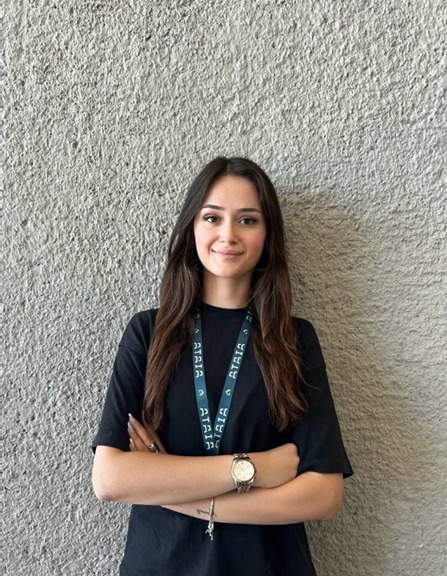
İrem Kurt is an Industrial Designer at AIATA Boats, where she works on yacht design, product development, and user-centered design. She focuses on combining aesthetics, functionality, manufacturability, and sustainability to create innovative and practical solutions for the marine industry.
Could you tell us about the beginning of your professional journey? What inspired you to pursue industrial design, and how did your path lead you to the marine industry?
As an Industrial Designer at AIATA Boats, what are the most important factors you consider when designing a boat, and how do you balance aesthetics, functionality, and user experience?
What emerging trends and innovations do you believe will have the greatest influence on boat and yacht design in the coming years?
At AIATA Boats, we place this transformation at the center of our design approach; we embrace a design philosophy that listens to and understands the end user's needs and responds to them. By bringing a new perspective to the concept of series-produced boats, we ensure that boats take shape around the user experience through modular living spaces and flexible usage solutions.
What matters to us is not the person adapting to the boat, but the boat adapting to the person's lifestyle.
Sustainability is becoming increasingly important across the marine sector. How do you see designers contributing to more environmentally responsible products and solutions?
For example, by combining vacuum infusion technology with advanced engineering and simulation software, we're able to develop boats that are lighter, more durable, and offer higher seaworthiness compared to traditional production methods. This approach optimizes material use while also helping to reduce waste generated during production. In addition, a significant portion of the energy used at our production facilities comes from solar panels, which supports a more environmentally friendly approach to manufacturing.
Sustainability isn't limited to the production stage; it's an approach that spans the entire life cycle of our boats. The lightweight structure enables lower fuel consumption, while the solar panels used on our boats improve energy efficiency and reduce environmental impact. This holistic approach we've adopted at AIATA Boats ensures that our products not only deliver high performance but also remain mindful of their environmental impact throughout their life cycle.
Looking back at your career so far, is there a particular project or achievement that you are especially proud of, and what made it memorable?
What makes these projects special to me is watching an idea go from a 3D model to production, and finally come to life in a completed boat. Being involved in design revisions, working closely with engineering and production teams, and experiencing the final product that emerges are a major source of motivation for me. This process shows me, in every project, that successful design isn't just about aesthetics - it also needs to solve real problems and add value for the user.